
Most Aussie punters know when to hit and when to stand, but the fold line still catches plenty of players out. The blackjack surrender option explained here is less about theory and more about the moment your hand faces a brutal dealer upcard and you need to cut the loss before the shoe turns. I have run acquisition campaigns across the Stake and Kick ecosystem long enough to know that retention comes from clear rules, not flashy bonuses, so a table that pays you back for walking away early deserves a proper look. You will see exactly when folding saves money, where the house edge sneaks in, and how an operator should present the feature without hiding it behind fine print.
When Folding Beats Standing
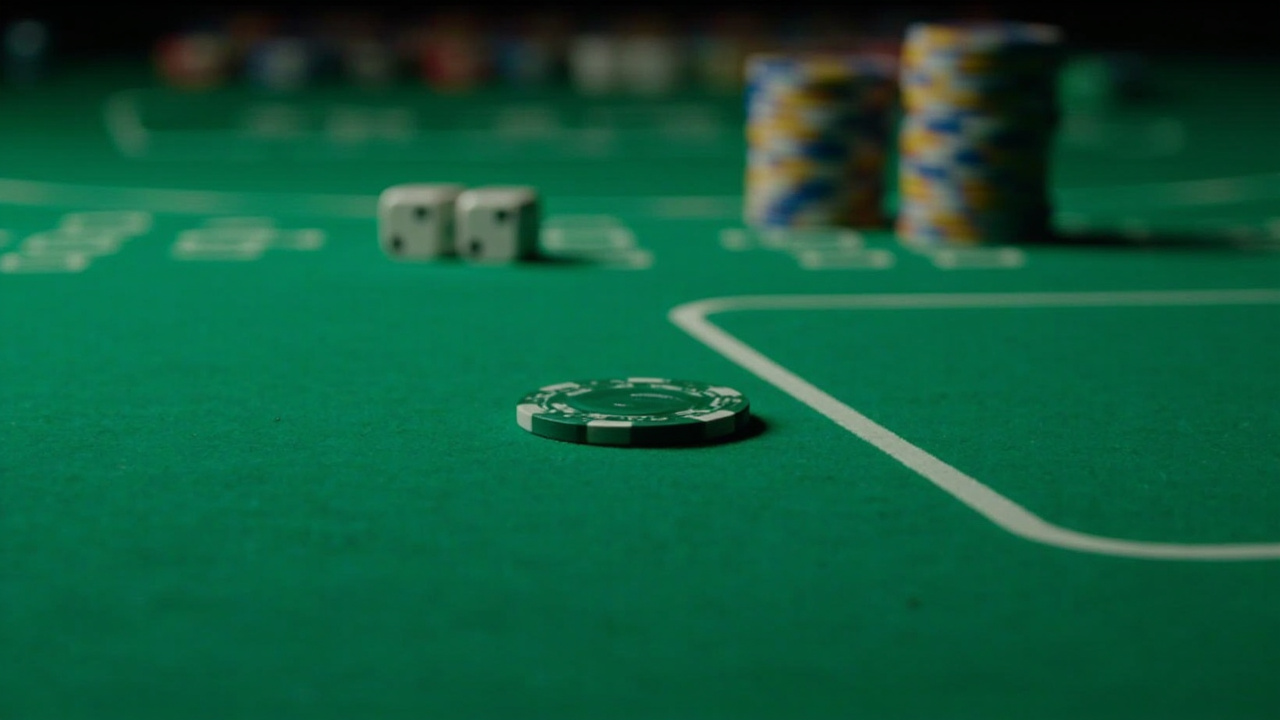
The moment that matters most is simple: you are dealt a hard total against a dealer ten or ace, and standing is a coin flip at best. Folding here is the play that keeps a bad run from eating a session bankroll, and the math backs it up because you lose half a bet instead of the full amount on a hand that was doomed from the deal. I have compared this mechanic across several operators in the iGaming space, and the ones that actually retain players are the ones that show the fold button clearly on the layout and do not bury it under a menu. A “cold” or “hot” machine is a gambler’s illusion – each spin is independent of the last – and the same independence applies to cards, so the surrender decision should be made on the current hand, not on a gut feeling about the shoe. Wild card, “raise the stakes,” and “call your bluff” all entered everyday English from gambling, which says something about how long players have been weighing risk against reward at the felt. The game symbolises mateship forged among Anzac soldiers, and that shared-table culture still shapes how Aussie players read a tough position: you do not chase a bad hand out of pride, you take the half-loss and live to play the next round.
Reading the Rules Before You Press It
A practical walkthrough starts at registration, where a decent operator lets you pick a blackjack variant and see the surrender terms on the table info screen before you drop a chip. The usual setup is late surrender, meaning you can fold after the dealer checks for blackjack, and the payout is half your original stake back, which is the standard that actually makes the option worthwhile. I have seen tables that offer early surrender, which is rarer and far more generous, but you need to confirm the exact rule because a misread rule turns a smart fold into a wasted half-bet. Payments here should be in AUD with clear conversion notes, and registration should not ask for more than the standard identity checks that every licensed operator runs. Mobile play needs the fold button reachable without zooming and hunting, because a clunky layout on a phone turns a quick decision into a frustrating one. Support should be able to confirm the surrender timing and the half-stake refund in plain language, and loyalty tiers should reward repeat play on blackjack tables rather than pushing you toward bonus-heavy slots where the edge is less friendly.
How a Smart Fold Fits a Session
- Pick a blackjack table that lists late surrender in the rules panel and confirm the half-stake refund before you sit down.
- Watch the dealer upcard and your own hard total, because surrender only makes sense against a ten or ace when your hand is weak.
- Press the fold button before the dealer peeks, since late surrender closes the moment the dealer checks for a natural.
- Take the half-bet back and move on, because chasing a losing hand rarely turns a bad position around. legacy of dead on mobile slots
The ongoing value after any welcome offer is where a table earns its keep, and that means recurring promos, cashback on bad runs, a loyalty ladder that actually pays out, and tournaments that give you a reason to return beyond the first deposit. I have built community growth around products where the repeat-play reason is a clear rule set and a fair payout structure, not a one-off bonus that disappears after the first week. Emily McKenzie, Head of Operator Partnerships, Murray River Gaming Research, puts it plainly: “Surrender only holds its value when the table rules are transparent and the half-stake refund is shown before the hand, not after.” That kind of clarity is what keeps a Hobart player coming back on a quiet arvo, and it is also what separates a table that feels fair from one that feels like it is hiding the edge. Packed tighter than a Melbourne tram on AFL Grand Final day, the decision to fold is still a personal one, but the rules should never be a mystery.